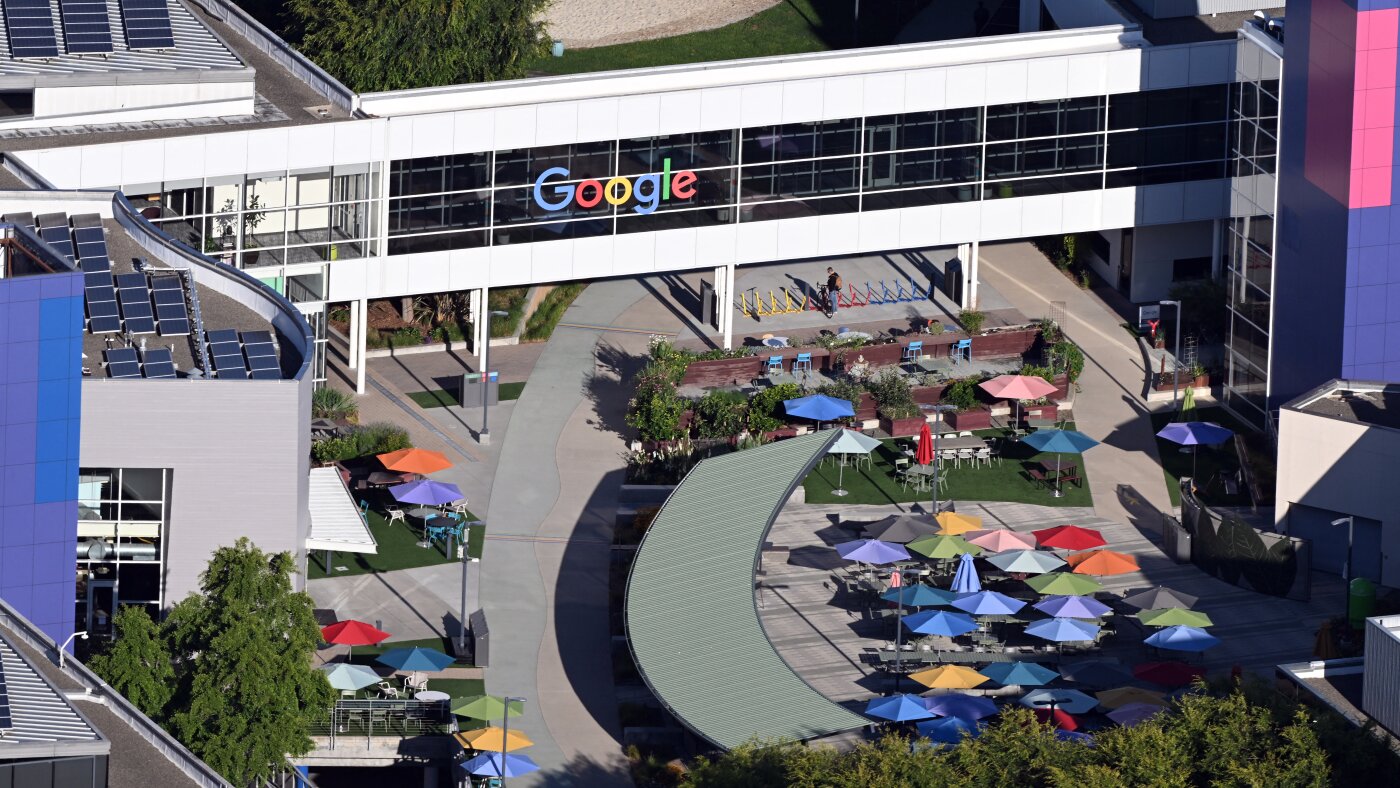
Polymarket Insider Trading Charges - highlights real-time developments influencing market sentiment and trading conditions. The U.S. Department of Justice has filed criminal charges against a Google staffer accused of using insider information to generate approximately $1.2 million in profits on the prediction market site Polymarket. This marks the second known instance of federal prosecutors pursuing insider trading cases related to prediction market activity.
Live News
Polymarket Insider Trading Charges - highlights real-time developments influencing market sentiment and trading conditions. Historical patterns still play a role even in a real-time world. Some investors use past price movements to inform current decisions, combining them with real-time feeds to anticipate volatility spikes or trend reversals. The Department of Justice recently announced charges against a Google employee who allegedly leveraged confidential information to profit from trades on Polymarket, a cryptocurrency-based prediction market platform. According to the filing, the individual’s trades reportedly yielded around $1.2 million. The case represents the second time federal authorities have pursued criminal charges for insider trading on a prediction market site, signaling a growing enforcement focus on these relatively new financial venues. The allegations center on the misuse of non-public information that gave the employee an unfair advantage over other market participants. While details of the specific information remain undisclosed in publicly available summaries, the DOJ’s action underscores its view that prediction markets fall under existing securities or commodities laws. The first known case involved a former employee of another tech company, setting a precedent for this latest charge. Polymarket itself has not commented on the development.
DOJ Charges Google Employee for Insider Trading on Polymarket Prediction Platform Real-time data is especially valuable during periods of heightened volatility. Rapid access to updates enables traders to respond to sudden price movements and avoid being caught off guard. Timely information can make the difference between capturing a profitable opportunity and missing it entirely.Quantitative models are powerful tools, yet human oversight remains essential. Algorithms can process vast datasets efficiently, but interpreting anomalies and adjusting for unforeseen events requires professional judgment. Combining automated analytics with expert evaluation ensures more reliable outcomes.DOJ Charges Google Employee for Insider Trading on Polymarket Prediction Platform Historical price patterns can provide valuable insights, but they should always be considered alongside current market dynamics. Indicators such as moving averages, momentum oscillators, and volume trends can validate trends, but their predictive power improves significantly when combined with macroeconomic context and real-time market intelligence.Some investors prioritize simplicity in their tools, focusing only on key indicators. Others prefer detailed metrics to gain a deeper understanding of market dynamics.
Key Highlights
Polymarket Insider Trading Charges - highlights real-time developments influencing market sentiment and trading conditions. Using multiple analysis tools enhances confidence in decisions. Relying on both technical charts and fundamental insights reduces the chance of acting on incomplete or misleading information. This case highlights several broader implications for the prediction market ecosystem. First, it suggests that U.S. regulators and prosecutors intend to apply traditional insider trading prohibitions to these platforms, which often operate in a regulatory gray area. The DOJ’s willingness to charge individuals for using inside information on prediction markets could deter similar behavior and increase compliance costs for operators like Polymarket. Second, the involvement of a major tech company employee—Google—may prompt employers to tighten internal policies around personal trading and access to sensitive data. Companies could potentially review their employees’ participation in prediction markets as part of broader compliance programs. The case may also encourage platform operators to enhance surveillance and reporting mechanisms to detect suspicious trading patterns.
DOJ Charges Google Employee for Insider Trading on Polymarket Prediction Platform Some investors prioritize simplicity in their tools, focusing only on key indicators. Others prefer detailed metrics to gain a deeper understanding of market dynamics.Analytical dashboards are most effective when personalized. Investors who tailor their tools to their strategy can avoid irrelevant noise and focus on actionable insights.DOJ Charges Google Employee for Insider Trading on Polymarket Prediction Platform Investor psychology plays a pivotal role in market outcomes. Herd behavior, overconfidence, and loss aversion often drive price swings that deviate from fundamental values. Recognizing these behavioral patterns allows experienced traders to capitalize on mispricings while maintaining a disciplined approach.Diversifying data sources can help reduce bias in analysis. Relying on a single perspective may lead to incomplete or misleading conclusions.
Expert Insights
Polymarket Insider Trading Charges - highlights real-time developments influencing market sentiment and trading conditions. Some investors rely on sentiment alongside traditional indicators. Early detection of behavioral trends can signal emerging opportunities. For investors and participants in prediction markets, this development could signal an evolving regulatory landscape. While the markets offer novel ways to hedge or speculate on future events, the risk of legal action for insider trading appears real—particularly for individuals who hold positions with access to non-public information. The DOJ’s second charge in this area might lead to increased scrutiny from the Securities and Exchange Commission or other agencies. Looking ahead, the outcome of this case may set important legal precedents regarding how prediction market trades are classified under federal law. If courts uphold the DOJ’s interpretation, it could curtail some activities on these platforms or push them toward greater transparency. However, the broader impact remains uncertain, as regulatory frameworks for such markets are still developing. The long-term viability of prediction markets will likely depend on how they adapt to legal and compliance pressures. Disclaimer: This analysis is for informational purposes only and does not constitute investment advice.
DOJ Charges Google Employee for Insider Trading on Polymarket Prediction Platform Investors often monitor sector rotations to inform allocation decisions. Understanding which sectors are gaining or losing momentum helps optimize portfolios.Some traders rely on alerts to track key thresholds, allowing them to react promptly without monitoring every minute of the trading day. This approach balances convenience with responsiveness in fast-moving markets.DOJ Charges Google Employee for Insider Trading on Polymarket Prediction Platform Diversifying data sources can help reduce bias in analysis. Relying on a single perspective may lead to incomplete or misleading conclusions.Cross-market analysis can reveal opportunities that might otherwise be overlooked. Observing relationships between assets can provide valuable signals.